







Search Results for: El Molino Estate
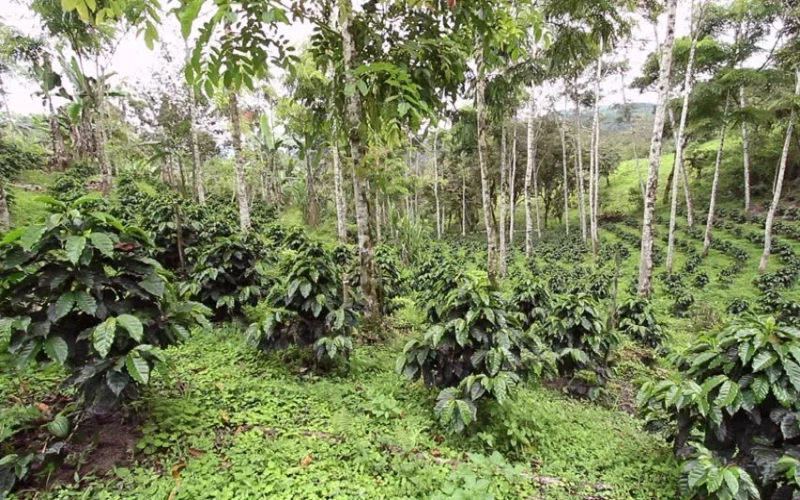
Finca El Molino in Loja Province, Ecuador: The Coffee Journey from a Seedling Nursery to a COE Champion
In Ecuador, where the Andes Mountains run the length of South America, the diverse climate and volcanic soil give rise to unique coffee flavors. Loja Province, an important producing region in the south of the country, is known for its high-altitude cultivation, and it is here that La Noria estate is located. Established by CVM, this estate grew from an initial seedling nursery into a coffee harvesting and processing center, and in both 2022 and 2023 it achieved excellent results in Ecuador's COE competition. This article will guide you through the ups and downs of Ecuador's coffee industry, take a deep look at the terroir of Loja Province, and analyze how La Noria estate rose to the championship with varieties such as Geisha. [more…]
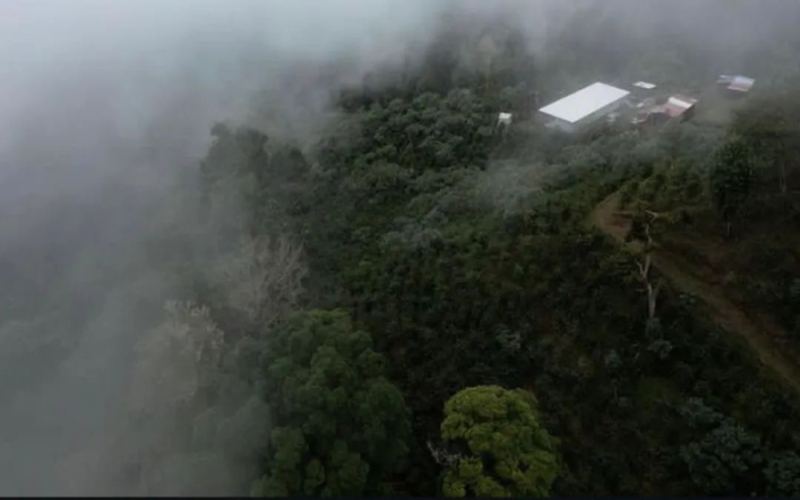
A Complete Flavor Analysis of Panama El Burro Estate Geisha Coffee: Sun-Dried Processing and Cupping Performance of a Century-Old Famous Estate
The Boquete region of Panama has nurtured many world-renowned coffee estates, and El Burro Estate is one of them, soon to enter its centennial history. The estate was founded in 1925 by French immigrant Aristides Boutet, and was later acquired and managed by the Lamastus family due to family ties. Its unique geographical location—near the Baru Volcano mountain range—gives the coffee excellent terroir conditions. The estate mainly cultivates Geisha and Catuai, and in recent years has achieved repeated success in the Best of Panama competition; in 2016, Japan's Maruyama Coffee even won the world championship with El Burro Estate Geisha. Front Street Coffee is now bringing a naturally processed El Burro Estate Geisha, using a medium-light roast, whose cupping reveals a rich layering of green grape, apricot, orange, dried longan, and floral notes intertwined. This article will take you deeper into the history, terroir, and unique flavor of El Burro Estate's Geisha. [more…]
Exploring Finca El Burro in Boquete, Panama: The Journey of Sun-Dried Geisha Flavor and a Century of Coffee Heritage
In the Boquete production region of Panama, there is a coffee estate about to celebrate its centennial—El Burro Estate. Founded in 1925 by French immigrant Aristides Boutet, it now belongs to the Lamastus family and shares the same lineage as the famous Elida Estate. El Burro Estate enjoys the fertile soil and unique microclimate brought by Baru Volcano, providing excellent growing conditions for varieties such as Geisha. This article will take you through the history and terroir advantages of El Burro Estate, and guide you in tasting the sun-dried Geisha from Front Street, experiencing the captivating flavors of green grapes, apricots, and floral notes. [more…]
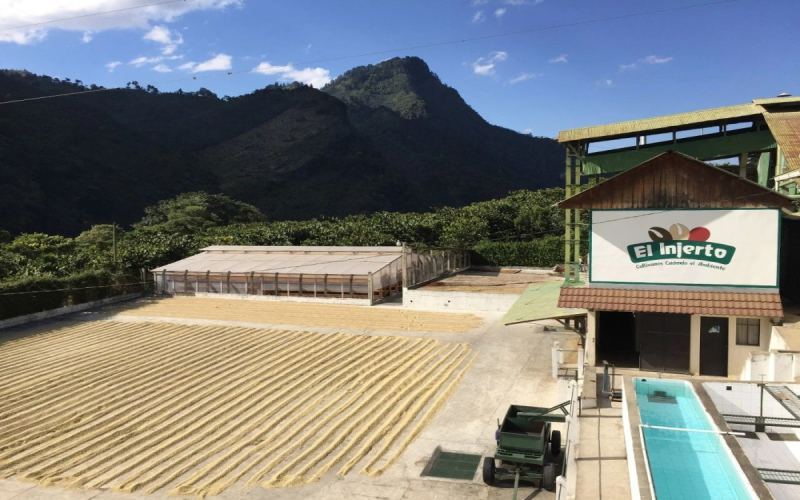
A Complete Guide to the Flavor and Brewing Knowledge of Geisha and Pacamara Coffee Varieties from El Injerto Estate in Guatemala
Guatemala, as an important origin of specialty coffee in Central America, produces coffee beans with distinctive character thanks to its volcanic soil and diverse microclimates. This article focuses on El Injerto Estate, providing a detailed introduction to the variety origin, estate history, cupping flavors, and award records of its Ruby Geisha coffee, and further explains the spread of the Geisha variety, the background of Pacamara's creation, as well as El Injerto Estate's self-organized auction and unique processing methods. It also includes Front Street Coffee's roasting recommendations for Guatemalan coffee and V60 three-pour brewing parameters, helping coffee enthusiasts gain a comprehensive understanding of the flavor charm of this producing region. [more…]
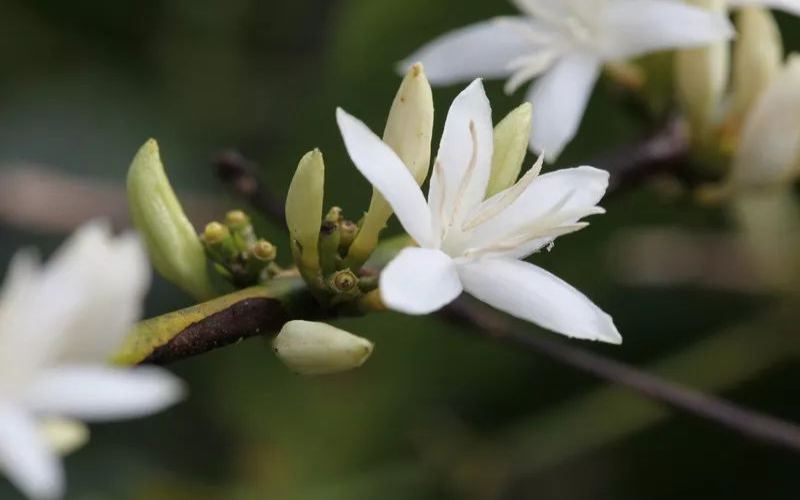
A Deep Comparison of Panama's El Burro Estate and El Mulo Estate: What Sets These Two Similarly Named Geisha Powerhouses Apart?
In the Boquete production region of Panama, there are two estates whose names sound extremely similar—Hacienda La Esmeralda and Elida Estate. Wait, that's not right. Let me reconsider. The estates are "驴子庄园" (Donkey Estate) and "骡子庄园" (Mule Estate). Both produce high-quality Geisha, yet they have completely different family backgrounds and historical origins. Front Street Coffee takes you through the ins and outs of these two famous estates one by one: Donkey Estate belongs to the Lamastus family, is managed by Wilford Lamastus, is located on the southwestern slope of Baru Volcano, and mainly cultivates Geisha and Catuai; Mule Estate was purchased by "Godfather of Geisha" Willem Boot in 2005, and got its name because he visited by riding a mule. Although small in area, it has won numerous awards. This article will compare the two estates' founding stories, terroir conditions, and cultivation details to help coffee lovers clarify these two easily confused Panamanian specialty estates. [more…]
Distinguishing Panamanian Coffee Estates: The Geisha Legend of El Burro Estate and La Mula Estate
On the map of Panamanian specialty coffee, the Boquete region brings together many top Geisha estates, among which El Burro (Donkey Estate) and La Mula (Mule Estate) are often confused due to their similar Chinese translated names. El Burro belongs to the century-old coffee family Lamastus, located on the southwestern slope of Baru Volcano, where high-altitude volcanic soil nurtures a natural Geisha with outstanding sweetness; La Mula was founded in 2005 by the "Godfather of Geisha" Willem Boot, and although small in area, it has repeatedly won awards. Front Street Coffee takes you through the historical origins, terroir conditions, and cultivation details of the two estates one by one, and shares tasting experiences, helping you clearly distinguish these two coffee-famous estates with similar names but each with its own merits. [more…]
El Salvador Finca Colombia Estate Pacamara Natural: Variety Characteristics and Flavor Analysis
Pacamara is a well-known variety developed in El Salvador, attracting attention in the specialty coffee world for its unique flavor performance. This article focuses on Finca Colombia estate in the Apaneca-Ilamatepec mountain range of El Salvador, reviewing its century-long history, variety cultivation, and natural processing methods, and analyzing El Borbollon processing station's practices in quality control and social responsibility. The estate owner Rafael Gerardo Caceres family adheres to traditional varieties and meticulous processing, presenting flavor layers of strawberry, lemonade, and creaminess. Front Street Coffee also recommends paying attention to this estate's natural batch, suitable for pour-over enthusiasts to experience its flavor characteristics. [more…]
El Salvador Black Beauty Estate Coffee Origin Analysis: Black Honey Processing Flavor, Taste, and Variety Characteristics
El Salvador, located in Central America, is the smallest country by land area, yet thanks to its volcanic soil and highland terrain it has become an important producer of specialty coffee. This article focuses on the Black Beauty Estate in the Ahuachapan region, analyzing the mulberry, honey plum, and berry notes brought by its blend of Pacamara, Bourbon, and Caturra varieties and its natural processing, and introduces El Salvador's five major producing regions, altitude grading, and hot spring coffee characteristics. Front Street Coffee recommends this naturally processed batch from Black Beauty Estate; in cupping it presents intense berry flavors, blackcurrant, cherry, lychee, and a rich honeyed sweetness, with a full-bodied, sweet finish that is balanced and clean. [more…]

The geographical and varietal reasons behind El Salvador's outstanding coffee quality, and a flavor analysis of Bourbon beans from the Santa Ana region
Although El Salvador is a small country in Central America, it occupies an important place in the specialty coffee landscape, and together with Costa Rica it is part of the region where improved honey processing techniques originated. Front Street Coffee summarizes its flavor as mild and slightly acidic, with pleasant sweetness, full aroma, and a clean mouthfeel. This article will review El Salvador's coffee-producing regions and altitude classification system, analyze the terroir advantages of the Santa Ana volcanic region, and introduce in detail the Bourbon variety and hybrid processing method of the Chocolate Lover Estate, as well as Front Street Coffee's roasting curve and pour-over parameters, giving you a comprehensive understanding of the coffee charm of this Central American producing country. [more…]
Why Are Colombia Finca El Paraiso Coffee Beans So Highly Regarded? Front Street Cherry Blossom SOE Flavor Analysis
Recently, Luckin Coffee's launch of the Small Black Cup Finca El Paraiso SOE has brought this Colombian estate into the public eye. As early as 2019, Finca El Paraiso made a name for itself in the specialty coffee scene thanks to its special processing methods, with its Sakura Series and Strawberry Series being especially sought after. The Colombia Finca El Paraiso Sakura coffee beans selected by Front Street Coffee use the Castillo variety and a double anaerobic washed process, presenting a unique flavor profile of mugwort, berries, spices, and strawberry jam. This article will guide you through the estate's background, variety characteristics, and processing details, share Front Street's roasting data and brewing suggestions, and finally explore how this bean performs as an SOE, for the reference of coffee enthusiasts. [more…]
Guatemalan Coffee Flavor Analysis: A Complete Guide to Incht Manor's Geisha and Pacamara Varieties
Guatemala, as an important producing country of specialty coffee in Central America, cultivates distinctly styled coffees thanks to its volcanic soil and diverse microclimates. Centering on El Injerto Estate, this article provides an in-depth introduction to the cupping performance of its Ruby Geisha lot EI02-02, the origin and spread of the Geisha variety, the history of El Injerto Estate and its auction system, as well as the origins and glorious track record of the Pacamara variety. At the same time, it brings Front Street Coffee's roasting recommendations for two Guatemalan beans, Huehuetenango and Flor del Café, along with V60 three-pour brewing parameters, helping coffee lovers gain a comprehensive understanding of the taste characteristics and producing-region stories of Guatemalan coffee. [more…]
Guatemala El Injerto Estate Ruby Geisha Coffee: A Complete Analysis from Malawian Seeds to COE Third Place
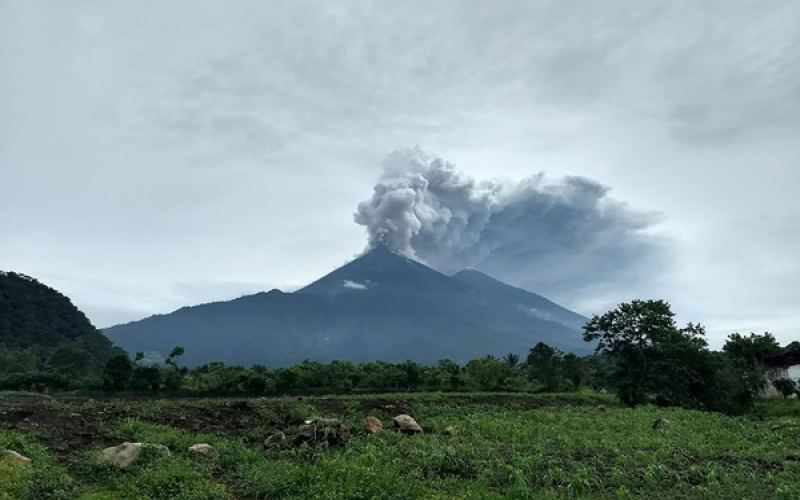
Among Guatemala's eight major coffee regions, Huehuetenango is known for its high altitude and dry climate, and the El Injerto estate located here is a pioneer of specialty coffee in Central America. This article focuses on a unique Ruby Geisha from this estate—the Maravilla Geisha variety—covering everything from the historical origins of how the seeds arrived, to the natural processing method, to the cupping flavors and geographical environment. When ripe, the fruit of this bean is dark red, resembling a ruby, and the plant is more compact than traditional Geisha. Since the Aguirre family acquired the estate in 1874, it has gone through a transition from growing sugarcane and corn to focusing on coffee, and has accumulated sixteen awards over eleven years in COE competitions. The article also covers the rise of the Pacamara variety and the model of hosting its own competitive auction. Front Street Coffee offers practical advice from the perspectives of roasting and brewing to help coffee enthusiasts better showcase the nutty, cocoa-like character and floral and fruity aromas of Guatemalan coffee. [more…]
Colombian COE Champion Finca El Paraiso Coffee Bean Analysis: Luckin Little Black Cup SOE Flavor and Front Street Coffee Sakura Series Brewing Test
After Luckin Coffee launched its Huakui SOE, it quickly followed up with a Finca El Paraiso SOE, sparking interest among many coffee enthusiasts in this Colombian champion estate bean. Front Street Coffee's bean list happens to include the Finca El Paraiso Sakura series as well. Starting from the concept of SOE, this article will introduce Finca El Paraiso's estate background, cultivated varieties, and double anaerobic washed processing method, and share the pour-over parameters and flavor performance of Front Street's Sakura coffee bean. At the same time, we will also put it to the test by making espresso, americano, and latte with it, to see which type of Italian-style coffee this bean is actually suited for and whether it can take on the role of the same SOE used in Luckin's small black cup. [more…]
El Salvador Carmen Estate Natural Bourbon: Flavor Exploration and Tasting Notes under the HiU Program
This article will take you on a deep dive into the HiU Project Natural Bourbon coffee beans from El Salvador's Carmen Estate. From the 2012 WBC competition experience to the unique hops aroma in the green beans, and on to Carmen Estate's volcanic soil and family heritage, the author shares in detail this bean's flavor profile, roasting insights, and origin background. The article also introduces the strict standards of the HiU Project and the cultivation characteristics of Salvadoran coffee. Currently this bean is nearly out of stock, and Front Street Coffee is specially offering a limited-time special price on the last batch, with a purchase limit of two portions per enthusiast, available only while supplies last. [more…]
Cup Tasting Flavor Profile and Origin Characteristics of El Salvador Finca Neblina Champion Lot Pacamara and Bourbon Coffee Beans
This article provides an in-depth introduction to the legendary Salvadoran coffee producer Ernesto Menéndez and his award-winning lots from Finca Las Brumas. This lot includes two varieties, Pacamara and Bourbon, sourced from microclimatic blocks above 1,700 meters, with a clean and sweet flavor profile featuring notes of cherry, berries, creamy chocolate, and spice sweetness. The article details the estate's history, the arduous journey of twice winning the Cup of Excellence, the characteristics of the Pacamara variety, and includes a cupping report and roasting degree recommendations. It also introduces an overview of El Salvador's coffee-producing regions and information recommended by Front Street Coffee, making it suitable for coffee enthusiasts to gain a comprehensive understanding of the unique charm of Central American specialty coffee. [more…]
El Salvador Apaneca-Ilamatepec Region Analysis: Volcanic Soil, Historical Changes, and Finca El Angel
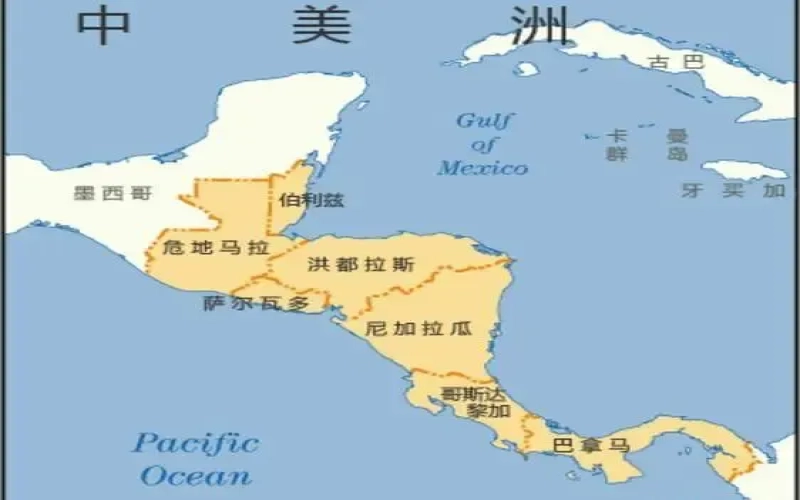
Among the many coffee-producing countries in Central America, El Salvador may not stand out in terms of volume, yet its volcanic ash soils and diverse microclimates give rise to a highly distinctive flavor profile. This article begins with the historical context, tracing how coffee replaced indigo as the backbone of the nation's economy and, after civil war and land reform, shifted toward competing on quality. The focus then turns to the largest producing region in the west, Apaneca-Ilamatepec, interpreting the high-altitude growing conditions around the Santa Ana volcano and the ecological value of shade cultivation, and introducing the varietal layout and terroir characteristics of Angel Estate, this year's COE Natural category runner-up. Front Street Coffee will also combine the region's characteristics to offer enthusiasts some reference ideas on bean selection and brewing. [more…]
Colombia Finca El Paraiso Sakura Coffee Beans: A Complete Guide to Double Anaerobic Washed Processing and SOE Flavor
The launch of Luckin's Little Black Cup Finca El Paraiso SOE brought this Colombian estate into the public eye. As early as 2019, Finca El Paraiso made a name for itself in the specialty coffee scene with its special processing methods, with its strawberry and cherry blossom series standing out in particular. The Colombian Finca El Paraiso Cherry Blossom coffee beans selected by Front Street Coffee use a double anaerobic washed process, are of the Castillo variety, and in cupping present a complex flavor profile of mugwort, berries, fermented aromas, and strawberry jam. This article will thoroughly break down the whole story of this bean—from the estate's background, variety origins, and processing techniques to the roasting curve and brewing parameters—and explore its performance as an SOE. [more…]
Panama's "Donkey" and "Mule" Estates: A Historical and Terroir Analysis of Two Geisha Estates Named After Animals
In the Boquete region of Panama, two Geisha estates named after animals are often confused with each other—El Burro Estate and Finca La Mula. Both are located around the Baru Volcano in Chiriqui Province, yet each has its own unique family heritage and cultivation story. Front Street Coffee guides you through the century-long history of the Lamastus family, into El Burro Estate and Finca La Mula, to understand how altitude, microclimate, and volcanic soil shape Geisha flavor, and shares Front Street's firsthand tasting experience of El Burro Estate's natural-process Geisha, providing coffee lovers with a clear guide to distinguishing these famous estates. [more…]
Panama El Burro Estate ASD Anaerobic Natural Geisha: The Coffee Legend and Flavor Analysis of a Century-Old Estate in the Boquete Region
Geisha coffee has long been renowned worldwide for its high price and scarce yield, and the Boquete region of Panama is precisely the core stage where this legendary variety shines. Hacienda La Esmeralda, a famous estate in the Boquete region with nearly a century of history, is located on the edge of Volcán Barú National Park at an altitude of 1,700 to 2,000 meters. Thanks to its unique microclimate, volcanic soil, and shade-growing conditions, it produces Geisha coffee with outstanding flavor. This article will take you through an in-depth look at the history of Hacienda La Esmeralda, the terroir of its producing region, its natural processing method, and Front Street Coffee's roasting and pour-over recommendations for this bean, offering a comprehensive presentation of its rich flavor layers interwoven with ginger flower, citrus, honey, and berries. [more…]
Guatemala Incht and Panama Hacienda La Esmeralda: Flavor Comparison of Pacamara and Geisha Across Three Grades
Guatemala's El Injerto Estate and Panama's Hacienda La Esmeralda represent two peaks of specialty coffee in Central America. El Injerto has repeatedly set record auction prices with its Pacamara variety, while Hacienda La Esmeralda defines top-tier flavor through its Geisha Red, Green, and Blue Label systems. In this article, Front Street Coffee provides a complete analysis of the coffee style differences between these two estates—from estate background, geographical environment, and variety characteristics to processing and brewing recommendations—helping enthusiasts understand the rich fruity sweetness of Pacamara and the bright floral-citrus character of Geisha. [more…]